
Lyons-la-Forêt has been awarded the "Les Plus Beaux Villages de France" label. This Norman town, in the Eure département, enjoys an exceptional setting, lying at the heart of the Forest of Lyons, from which it takes its name. The town centre developed around the former feudal motte on which the twelfth-century castle once stood. With a few rare exceptions, the timber-framed houses date from the seventeenth, eighteenth and early nineteenth centuries, the older buildings having been destroyed by fire in 1590.
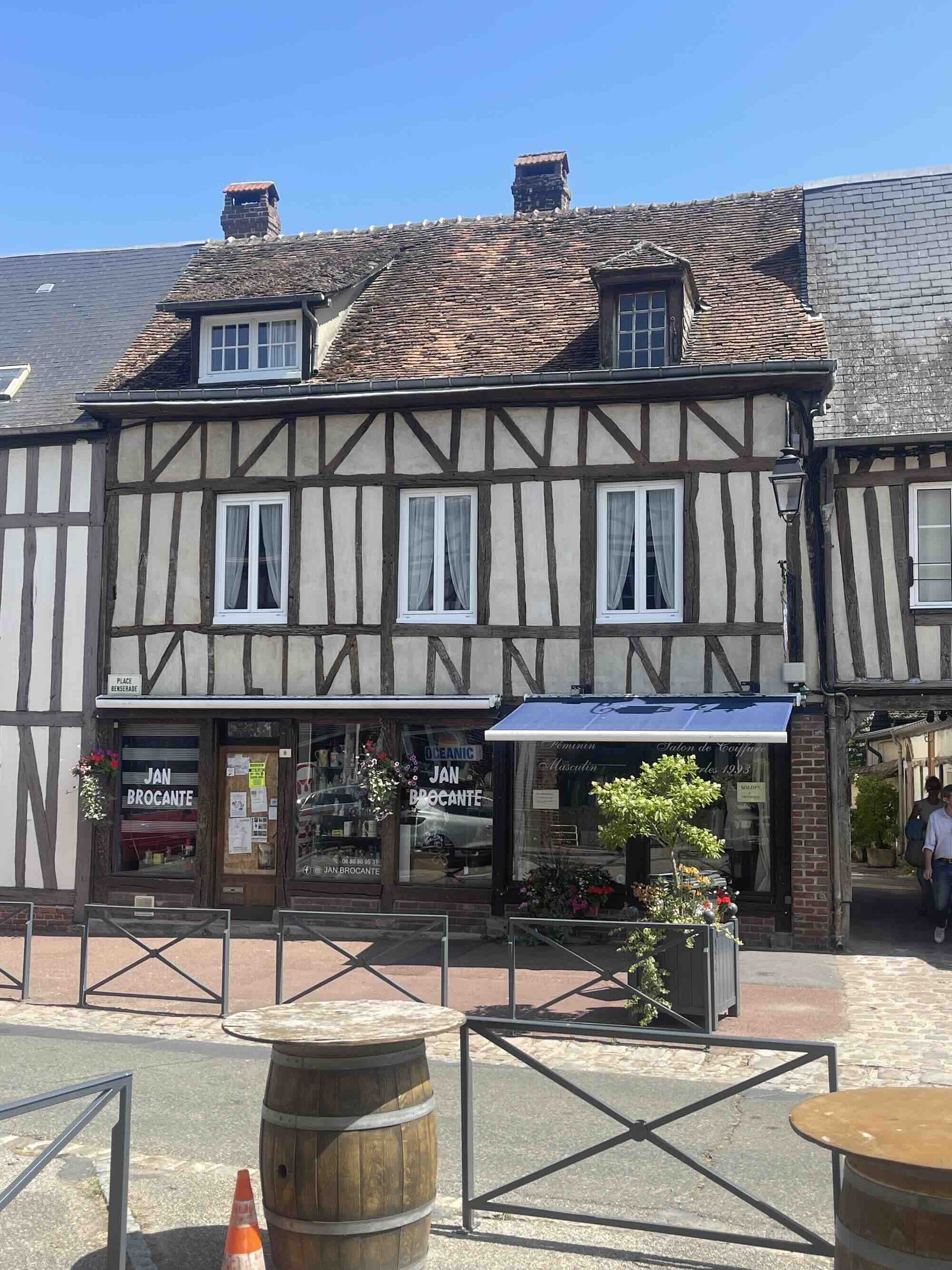
Photo: Didier Rykner
Walking through the town, one is struck both by its beauty and by certain disturbing features: a large number of the old houses have modern white PVC window and door frames, hardly what one would expect in one of France’s most beautiful villages; some roofs are covered with charmless modern interlocking tiles; recent additions fail to respect the volumes of the old buildings… Although, curiously, Lyons-la-Forêt has no "site patrimonial remarquable" (SPR, a designated heritage protection area), a status it would undoubtedly deserve, a large part of the town is protected because it lies within the surroundings of listed historic monuments. Such works require the approval of the Architecte des Bâtiments de France (ABF), the state heritage architect responsible, among other duties, for overseeing alterations affecting protected buildings and their surroundings. The deterioration of the historic fabric that can be observed (ill. 1), for example near the market hall (ill. 2), is therefore puzzling: which ABF authorised this?
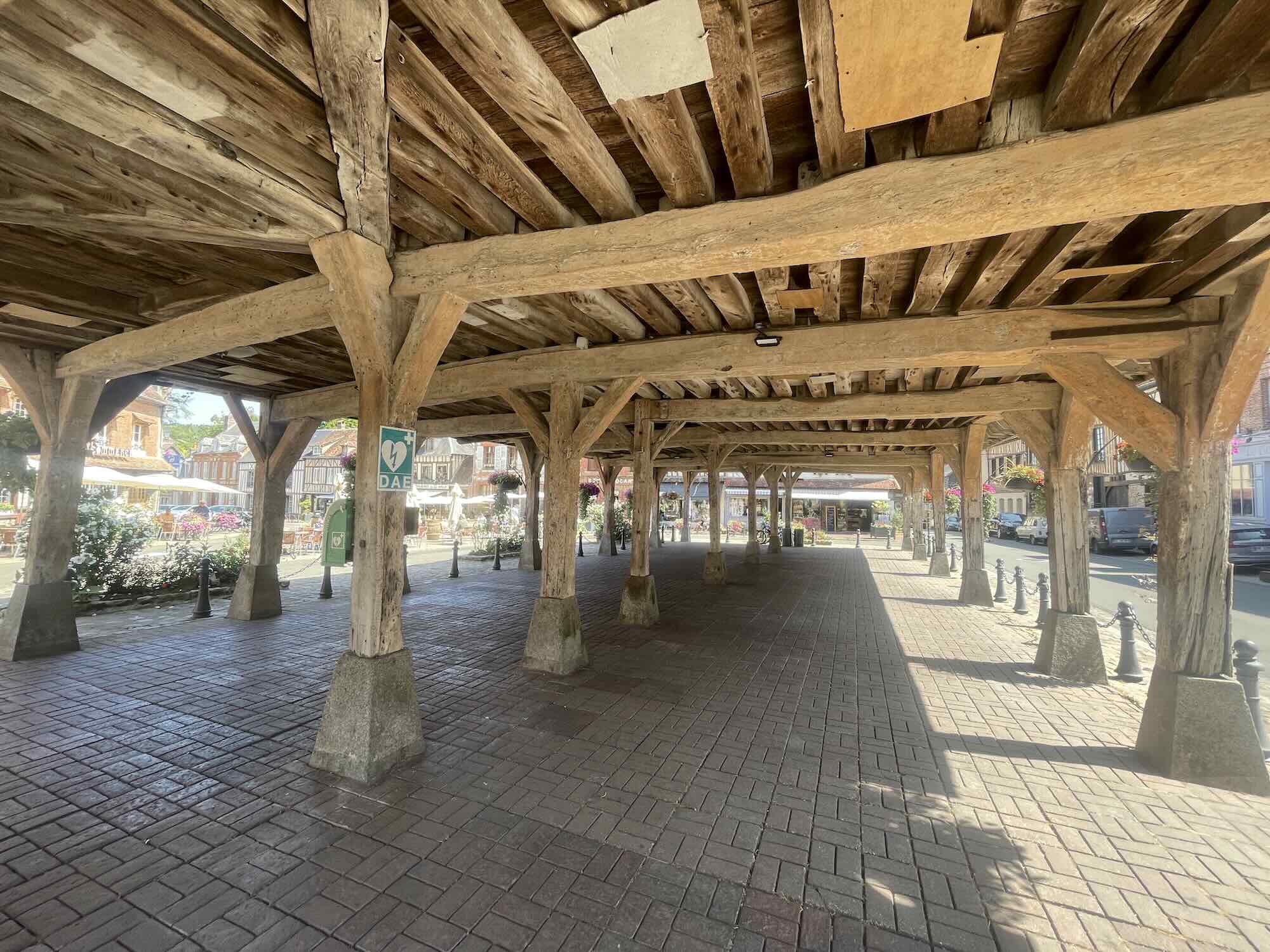
Photo: Didier Rykner
This is where the affair becomes interesting: the ABF, France Poulain, had nothing to do with it. Thierry Plouvier, the town’s mayor since 2008, is in fact entirely responsible, and, more importantly, guilty of forgery of public documents, as the Évreux Criminal Court ruled on 1 September. The elected official, who has appealed, was given a ten-month suspended prison sentence, barred from holding elected office for three years and fined €2,000.
The system - and it must indeed be called a system, given the number of cases - was simple and well established. When he had to issue authorisations for works requiring the legally binding approval of the ABF, the mayor very often failed to consult her. More seriously still, he took her place, signing works authorisations or municipal orders in a manner suggesting that he had consulted her, even going so far as to write technical requirements in her stead. The period covered by the trial ran from 2018 to 2024, although this practice had almost certainly been going on in previous years.
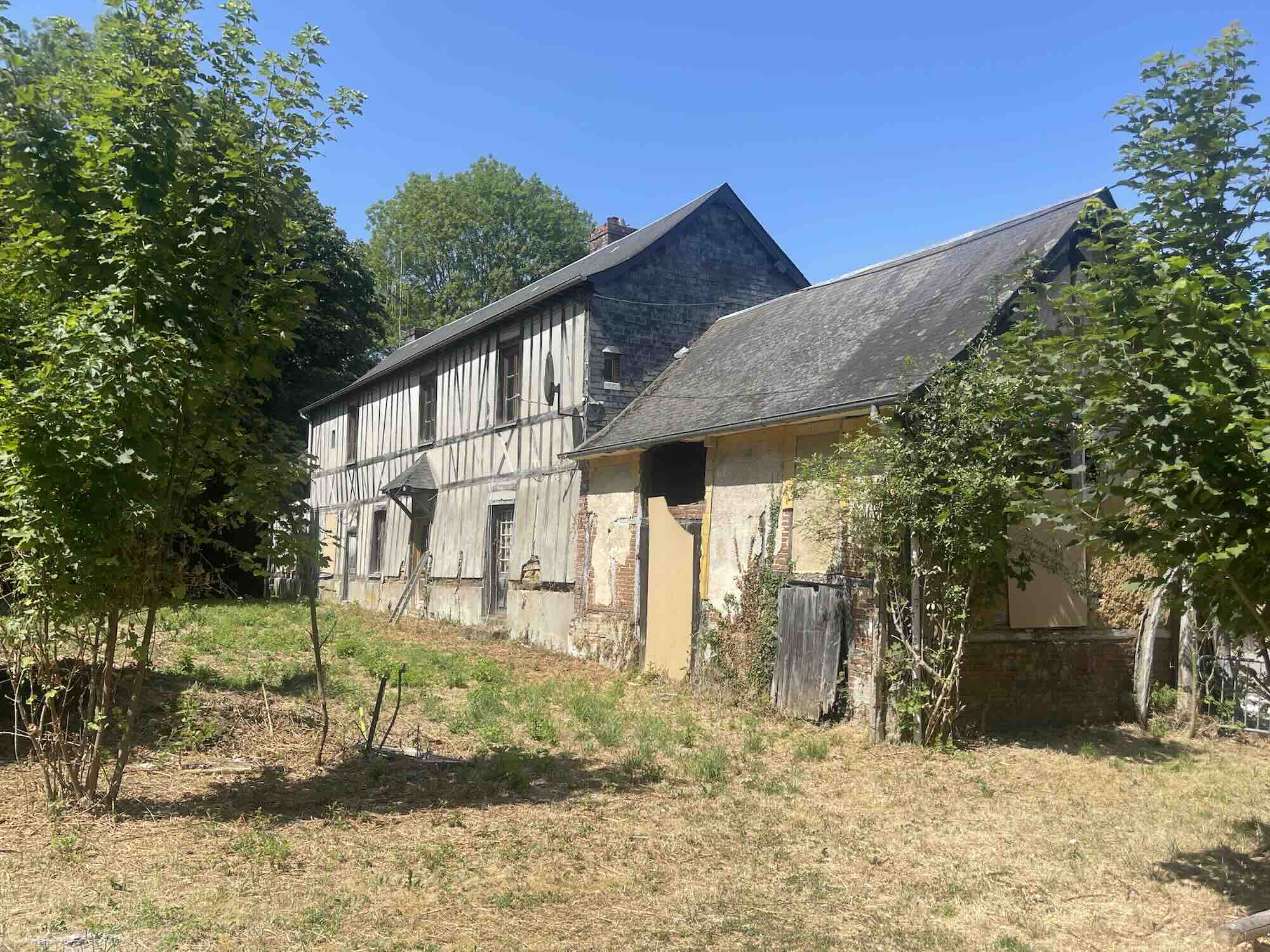
Photo: Didier Rykner
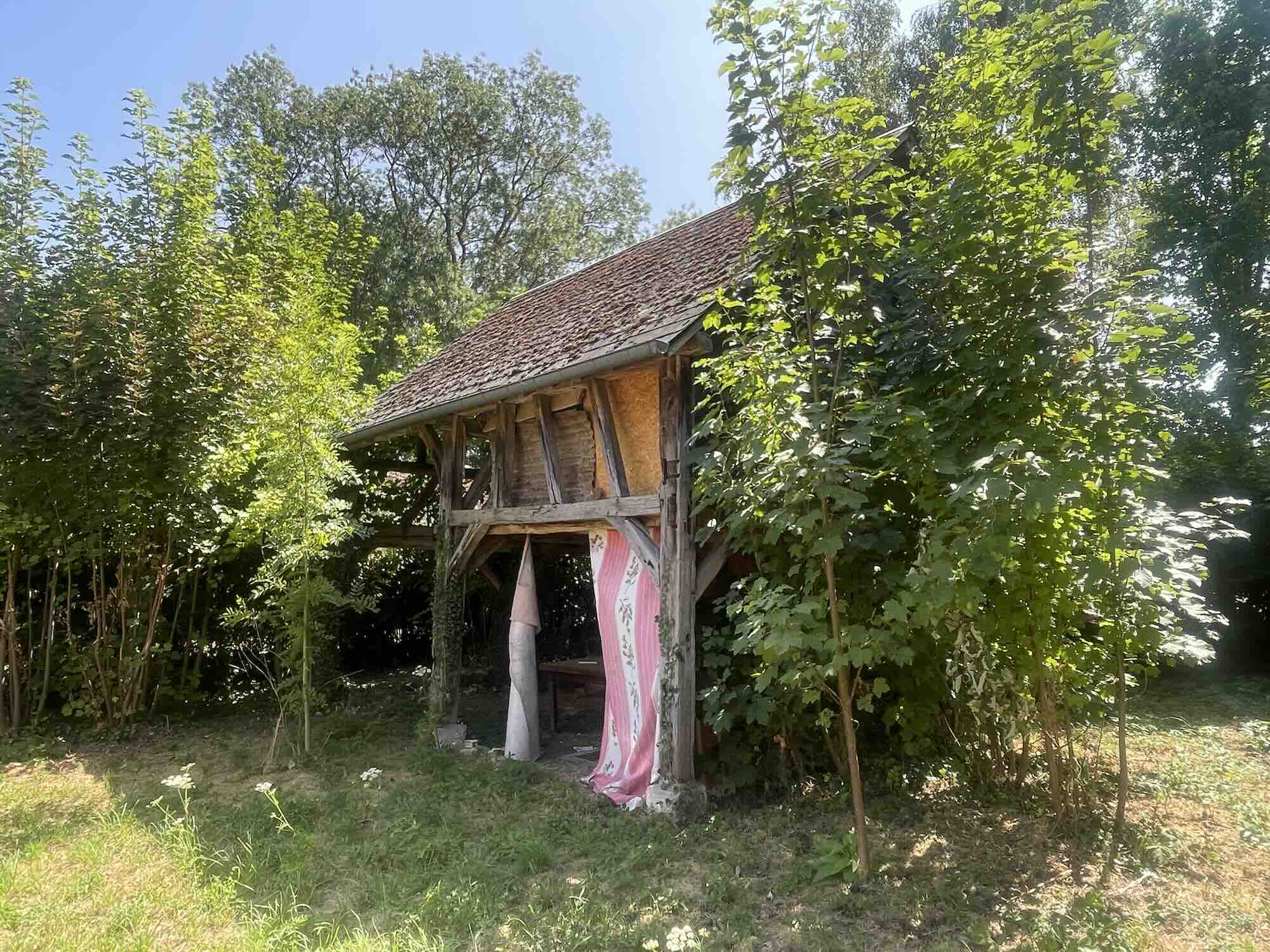
Photo: Didier Rykner
We questioned the mayor, who replied through his lawyer: "my client admitted the facts and now realises that the way in which he handled certain applications for works declarations did not comply with the law". That is, indeed, the least one can say. The lawyer continued, adding that "at the time of the events, he did not feel that he was breaking the law and he never did so in order to derive any personal benefit". The latter point appears to be established, even though the whole affair strongly resembled clientelism, a term used by the prosecutor [1]. This clientelism was also fostered by his determination to build ever more social housing. Yet Lyons-la-Forêt, with only a few hundred inhabitants, is not subject to the SRU law, which requires certain French municipalities to provide a minimum proportion of social housing. And this housing is being built at the expense of the town’s charm, as on this plot where the wooded grounds and their old cart shed (ill. 4 and 5) are to disappear in favour of a social-housing block.
The best is yet to come: "he has always worked in close cooperation with the Architecte des Bâtiments de France and systematically sought her opinion in cases involving building permits or works declarations that presented difficulties. He approved works declarations only either after consulting the Architecte des Bâtiments de France or when, in his view, the applicants complied with the ABF’s usual recommendations".
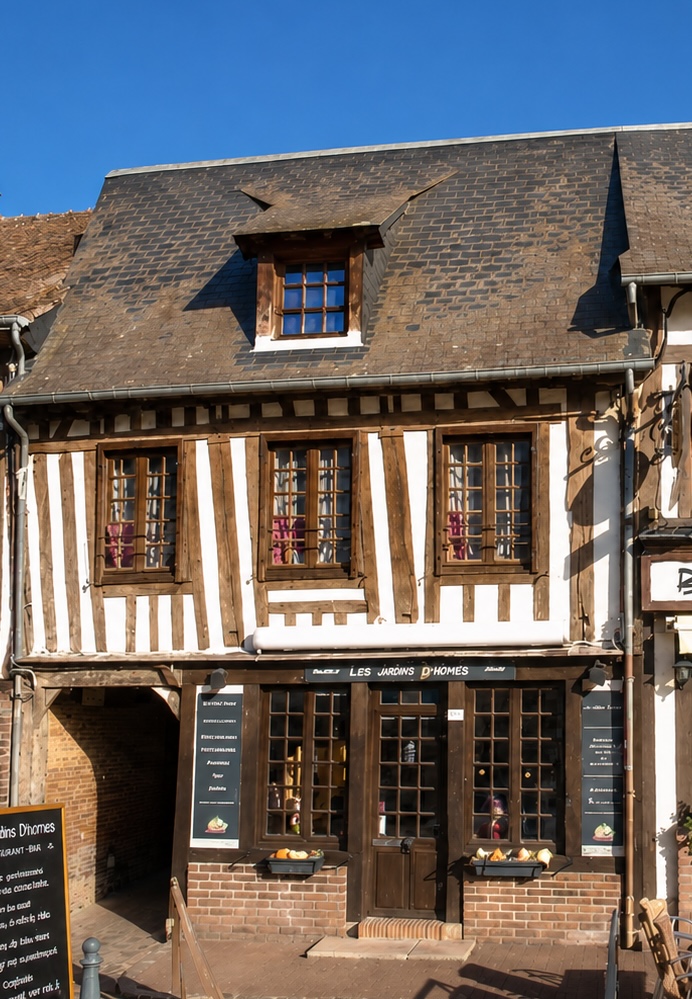
la Halle before the replacement
of the wooden windows
Photo: Google Street View
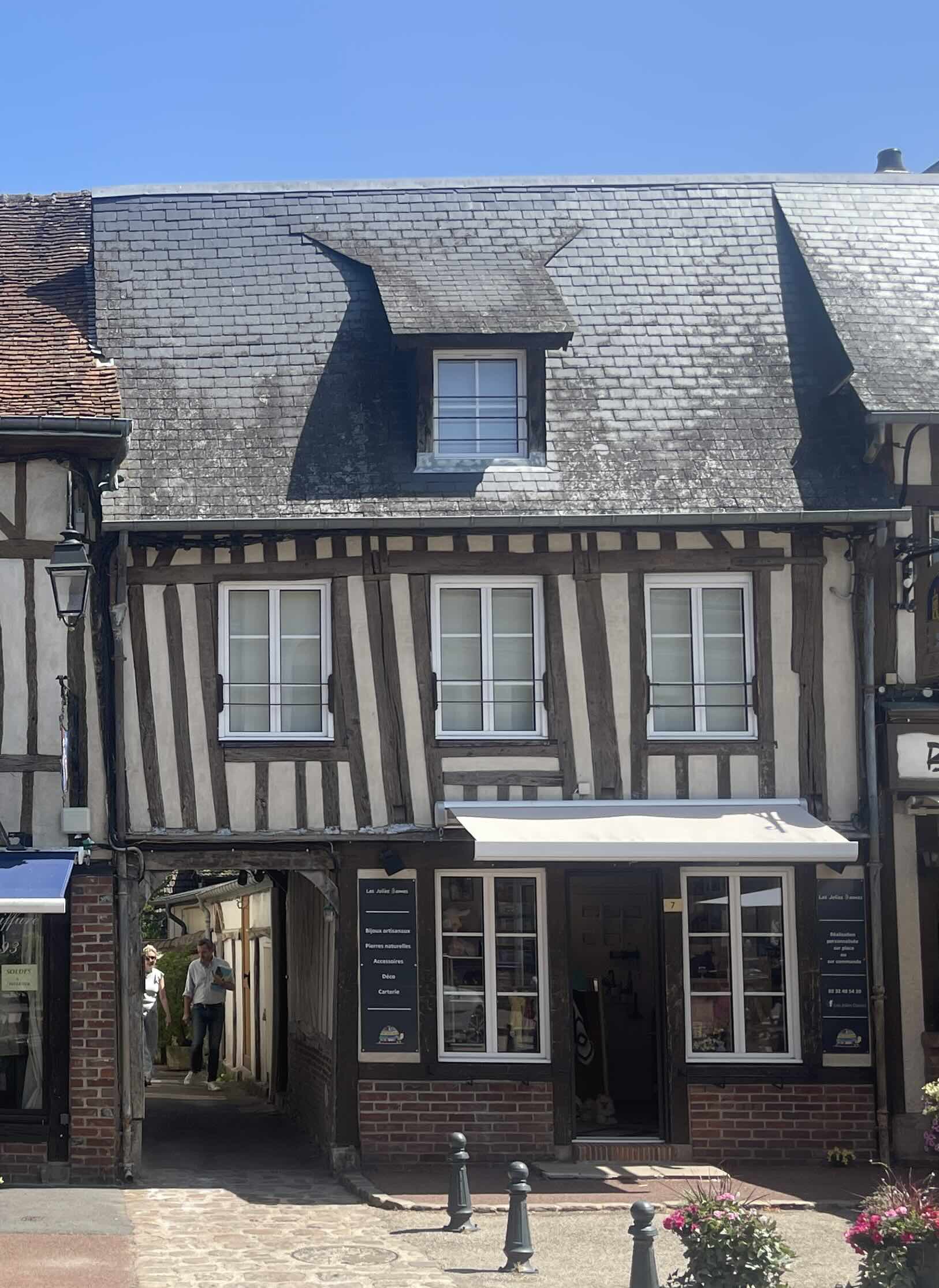
Photo: Didier Rykner
This close cooperation with the ABF was so evident that she appeared in court as a victim. Paris Normandie wrote: "The heritage architect joined the proceedings as a civil party. In her own name. Because "my professional standing as an architect and the integrity of my opinions", as well as her expertise, had been trampled underfoot". The newspaper added: "To expose the mayor of Lyons-la-Forêt, France Poulain devoted her free time to the case, spending some of her own money". The judgment vindicated her: for the non-material harm she had suffered, notably the fraudulent use of her signature, the court awarded her €5,000. As her lawyer, François Benech, told us: "This €5,000 award does not represent the full extent of the harm actually suffered; that will be debated again on appeal. But this amount should be compared with the damages awarded in other forgery cases similar to this one, where compensation rarely exceeds a few hundred euros. The judges therefore clearly took into account the harm caused to the Architecte des Bâtiments de France".
Contrary to the mayor’s claims, there was therefore no "close cooperation" with the ABF, and if he really "did not feel that he was breaking the law" while forging public documents, one might question his fitness to serve as mayor.
The ABF was at the forefront of this trial, but it should be stressed that she was supported by her superiors, by the DRAC (the regional office of the French Ministry of Culture) and by the French state. Indeed, it was after the Prefect reported the matter under Article 40 of the Code of Criminal Procedure - which requires public authorities and officials to report suspected crimes or offences of which they become aware in the course of their duties - that an administrative investigation and judicial proceedings could be initiated. It would moreover be possible, and certainly desirable, for the Prefect or the Ministry of Culture to join the proceedings as a civil party in the appeal.
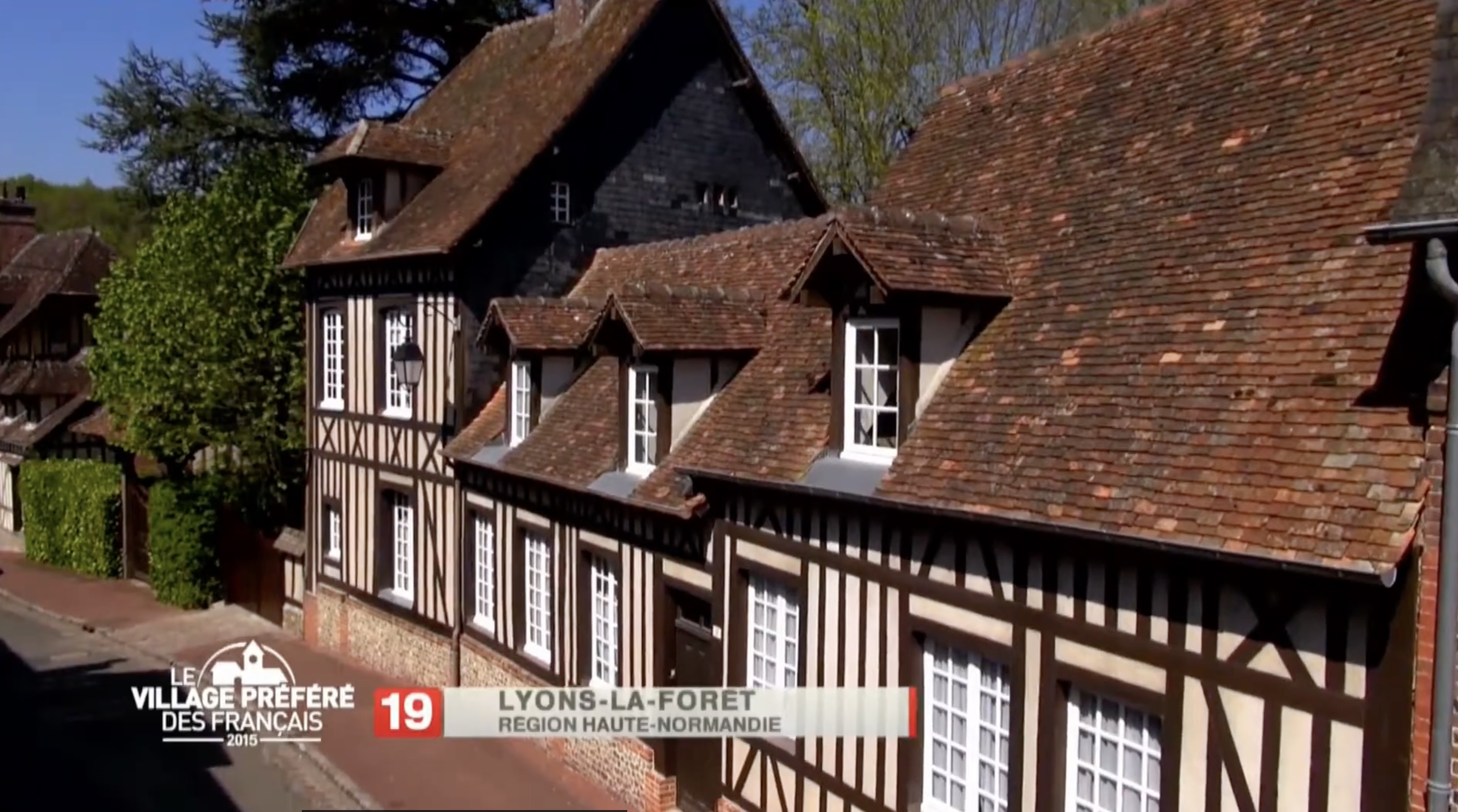
Photo taken from a video
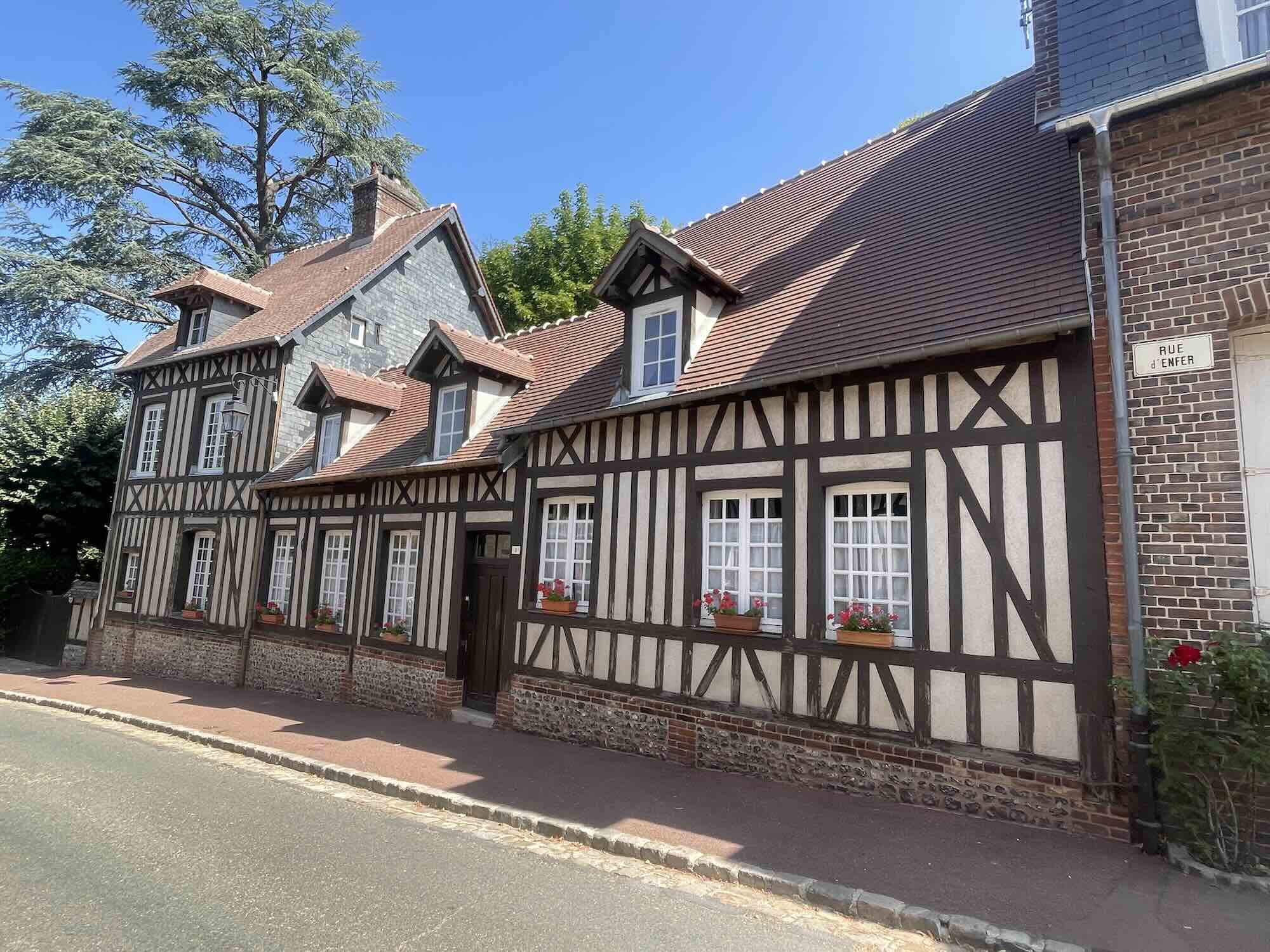
Photo: Didier Rykner
A great deal of work was therefore carried out illegally, even though many of the owners acted in good faith, if not necessarily in good taste. Armed with municipal authorisations, they could legitimately believe that they were acting lawfully. As the ABF’s lawyer told us: "Everyone tried to take a sensible approach, beginning with the Architecte des Bâtiments de France, so as not to penalise excessively residents acting in good faith who are suffering the consequences of the Mayor’s errors. That said, of the 57 cases that have been closely monitored, four or five situations involving blatant damage to the historic environment are currently at an impasse because they cannot be regularised". The mayor even has the audacity to cite these regularisations as a mitigating circumstance. But they took place only in order to avoid further proceedings, even though historic houses have been disfigured (ill. 5 to 10). In some of the more serious cases, however, residents who are not at fault will have to repair the damage. But since they are not responsible, they may well take action against the municipality. The municipality could in turn take action against the mayor, although in reality this is unlikely. All the inhabitants of Lyons-la-Forêt are therefore being penalised by the mayor’s wrongdoing: those who must undertake further work and possibly pay legal costs, and everyone else, who may, through their local taxes, have to pay the municipality’s lawyers’ fees, or even the cost of restoring the buildings. One can at least hope, for the sake of Lyons-la-Forêt, that its mayor will soon be replaced.
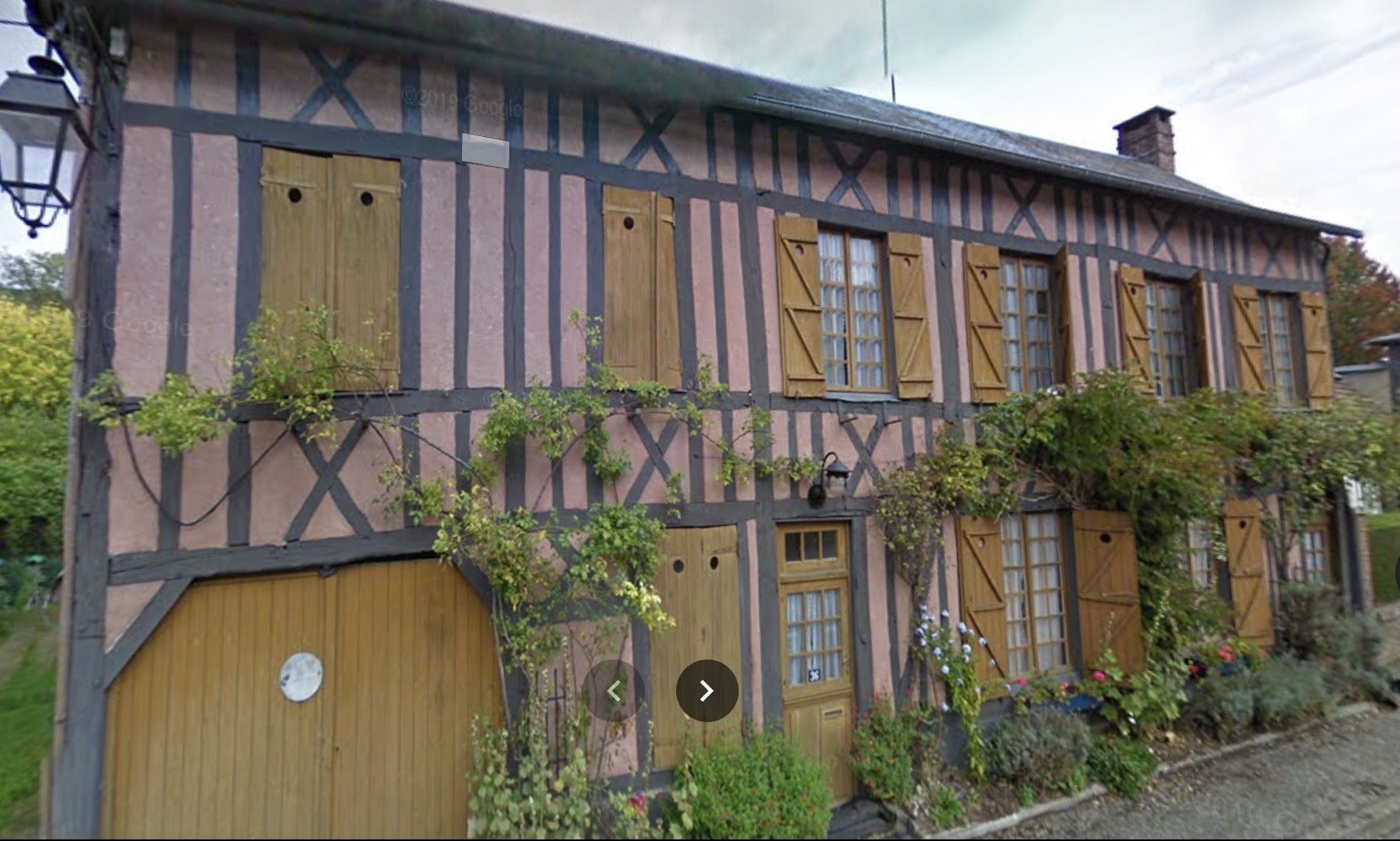
of the wooden windows
Photo: Google Street View
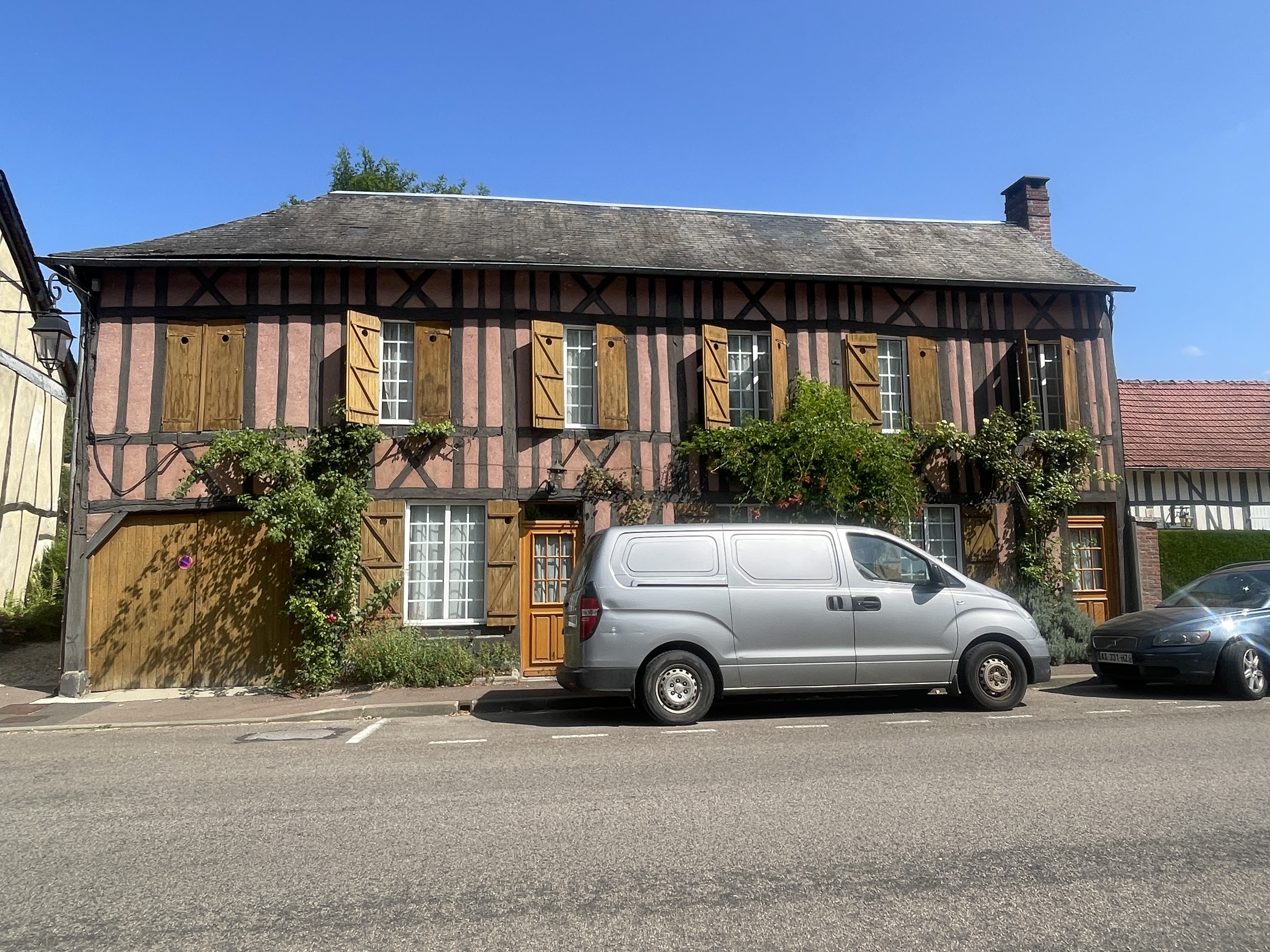
Photo: Didier Rykner
This affair is not merely a local matter. Thierry Plouvier played an important role in the first election of Sébastien Lecornu, the current Prime Minister, as president of the Eure Departmental Council. Today, both men are vice-presidents of the council. The two know each other well, a closeness that the mayor regularly makes a point of emphasising. Sébastien Lecornu also used to attend the New Year ceremony in Lyons-la-Forêt (except in the past two years). In one of his Facebook posts, in January 2020 (ill. 11), he can even be seen praising Thierry Plouvier’s commitment "to this village, with its very strong Eure identity, and more broadly to the Eure département".
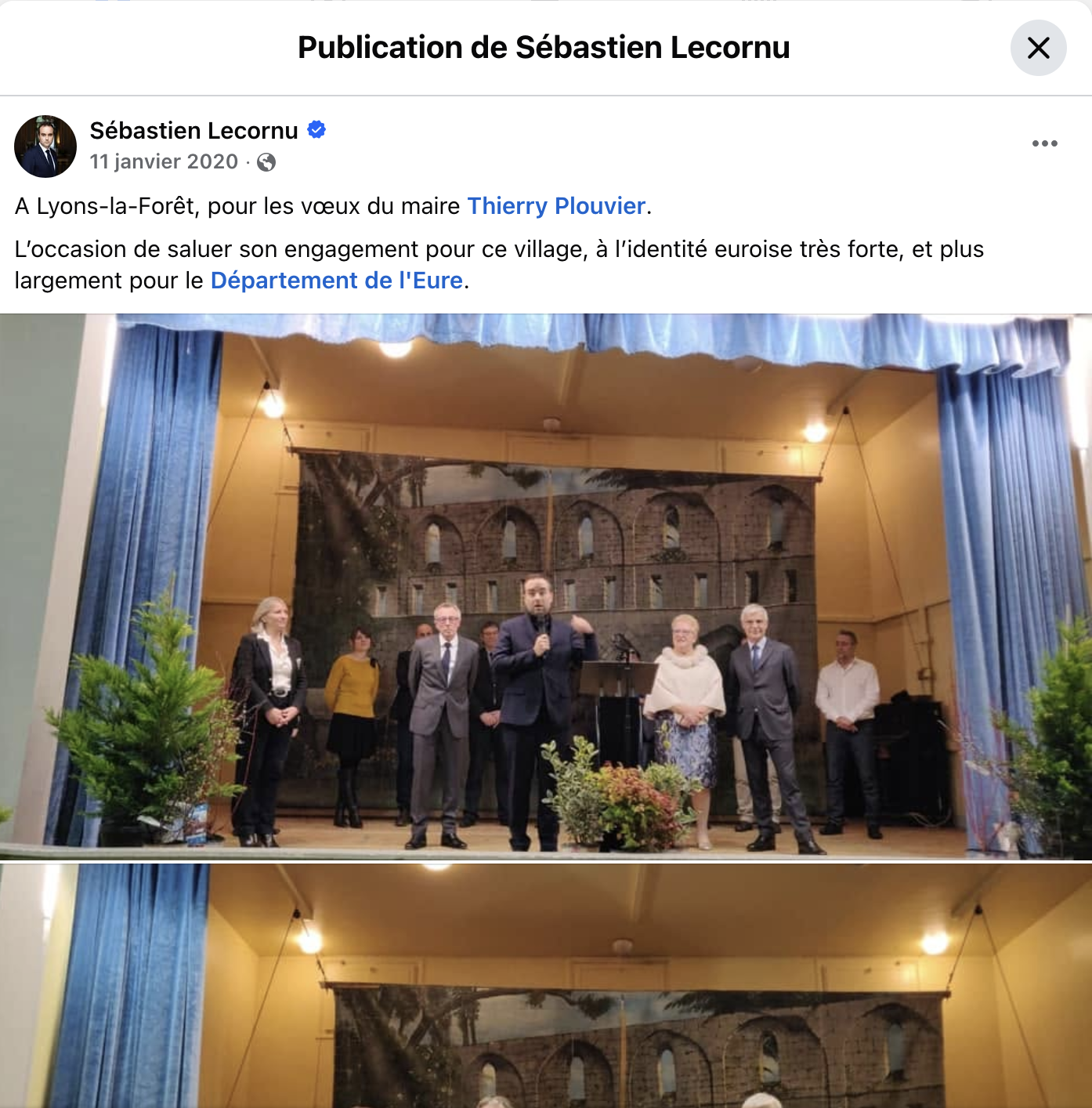
What, then, is surprising about any of this? Clientelism is something Sébastien Lecornu practises to perfection, as we saw when he took Mont-Saint-Michel away from the Centre des Monuments Nationaux (see the news item of 7/6/26). And sidelining the Architectes des Bâtiments de France is also close to his heart, with the bill promoted by his minister Vincent Jeanbrun, which is due to be debated in the National Assembly this September (see the articles).
For what did the mayor of Lyons-la-Forêt do when he disregarded the ABF’s opinion, or even took her place? He anticipated the effects of this law if, unfortunately, it were to come into force: it would turn the ABFs’ legally binding opinions into merely advisory ones, even in the surroundings of listed historic monuments or within a "site patrimonial remarquable". Mayors must be trusted, Jeanbrun argues. Mayors such as the one in Lyons-la-Forêt, who has degraded one of the most beautiful villages in France? We are on the verge of a major disaster for French heritage, Sébastien Lecornu is pulling the strings, and Thierry Plouvier is his prophet.