Subscriber content
Back to L’Aquila (3). Il Museo Nazionale d’Abruzzo
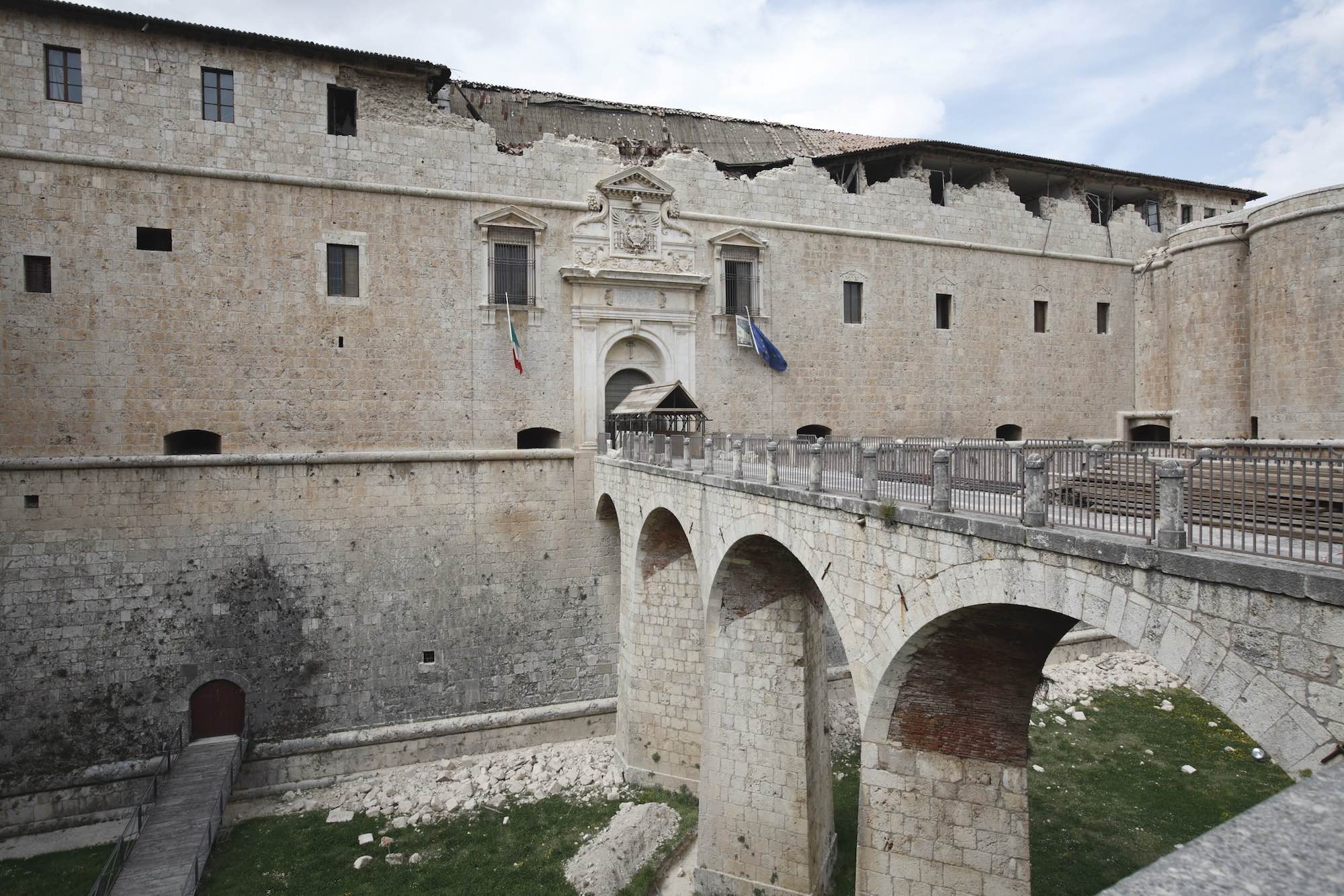
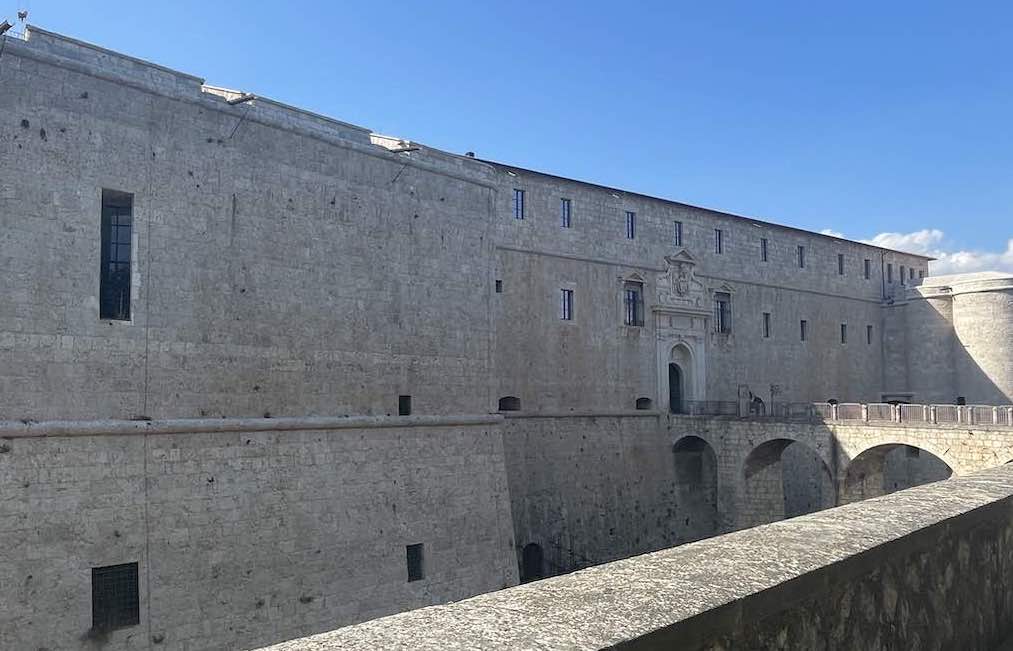
Since its creation in 1951, the National Museum of Abruzzo has been housed in the Forte Spagnolo of L’Aquila, built in the 16th century. This impressive fortress, designed by the architect Pere Lluís Escrivá (who also built the Sant’Elmo castle in Naples), was damaged in the 2009 earthquake, necessitating work that is still underway (ill. 1 and 2).
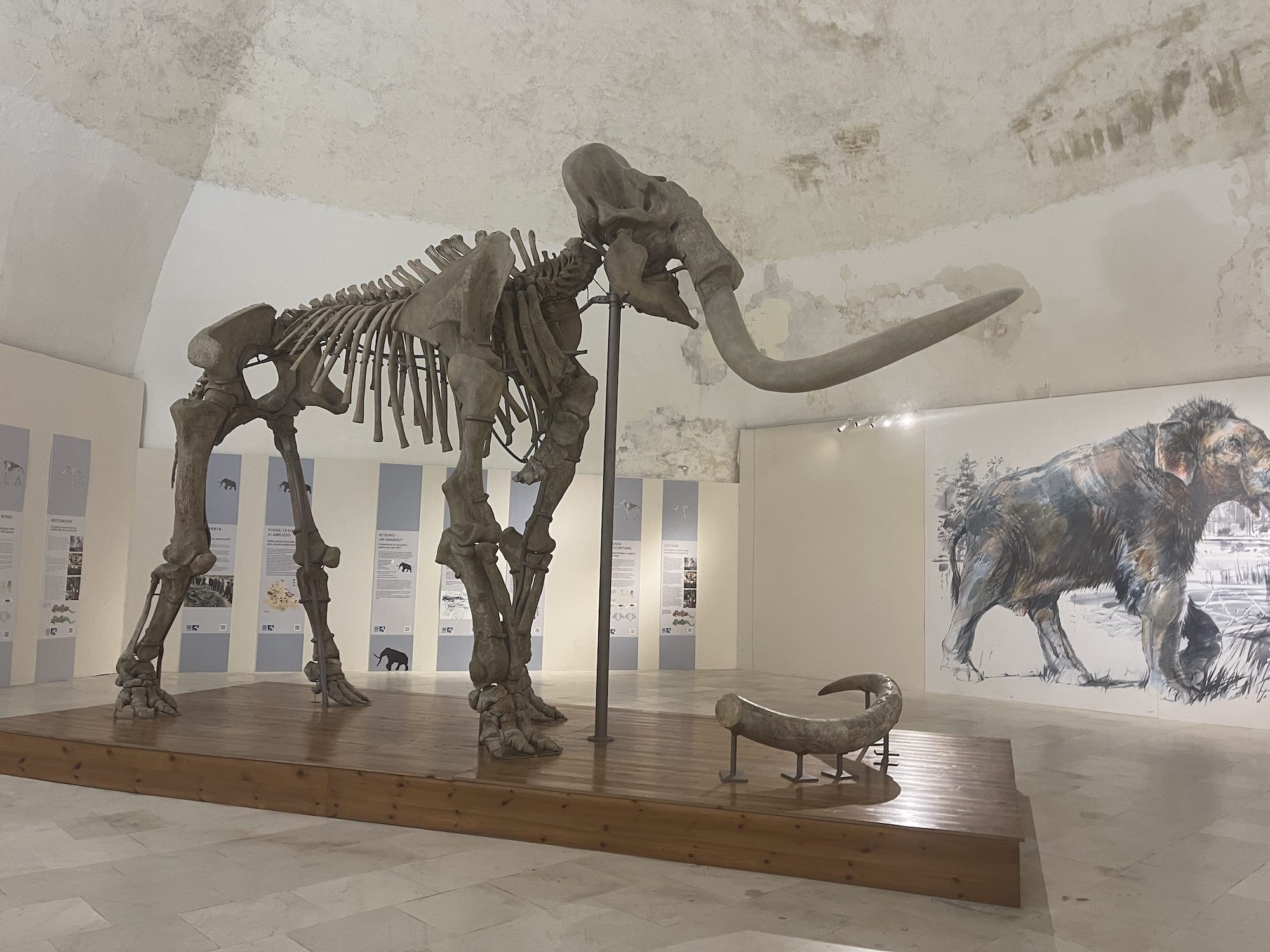
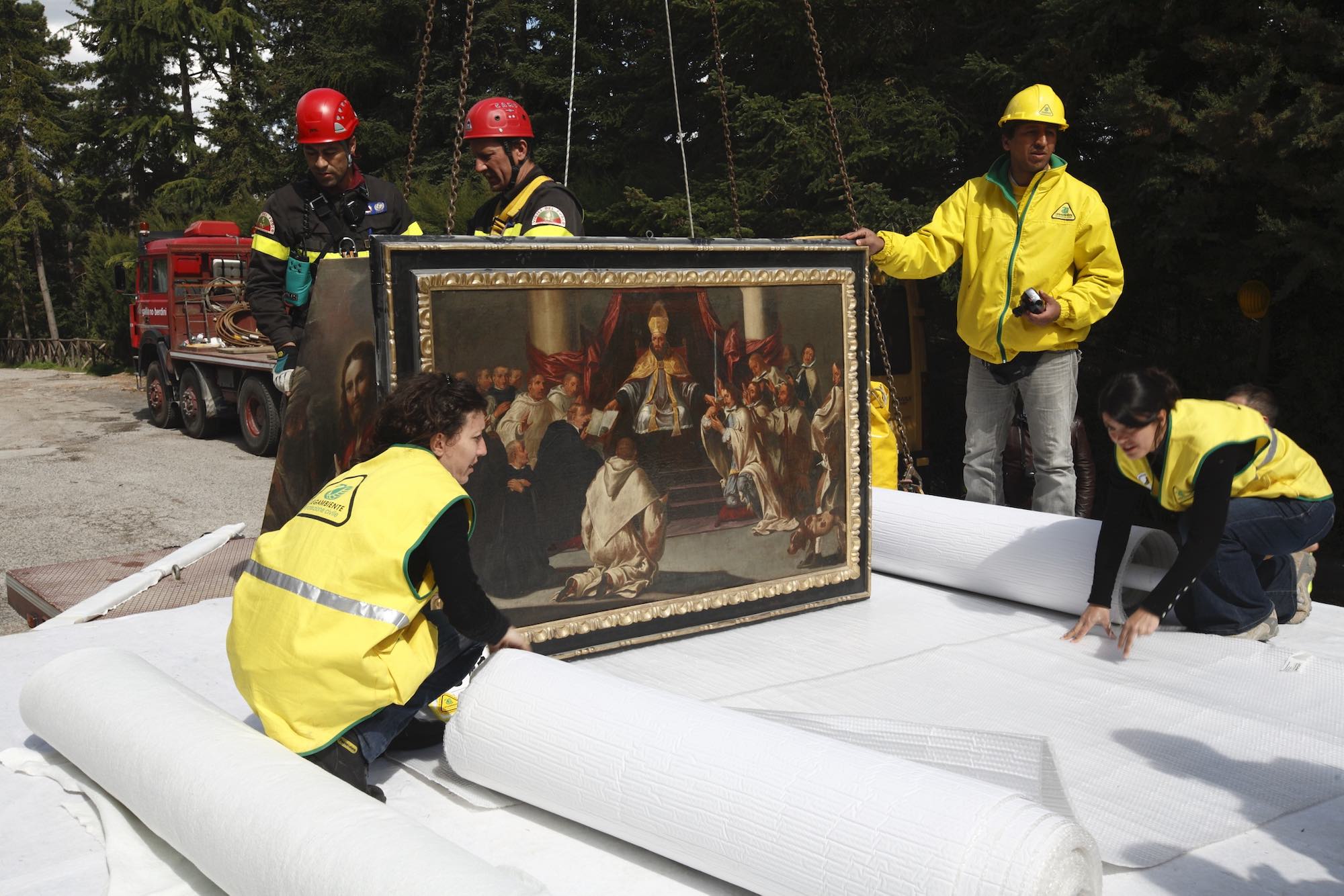
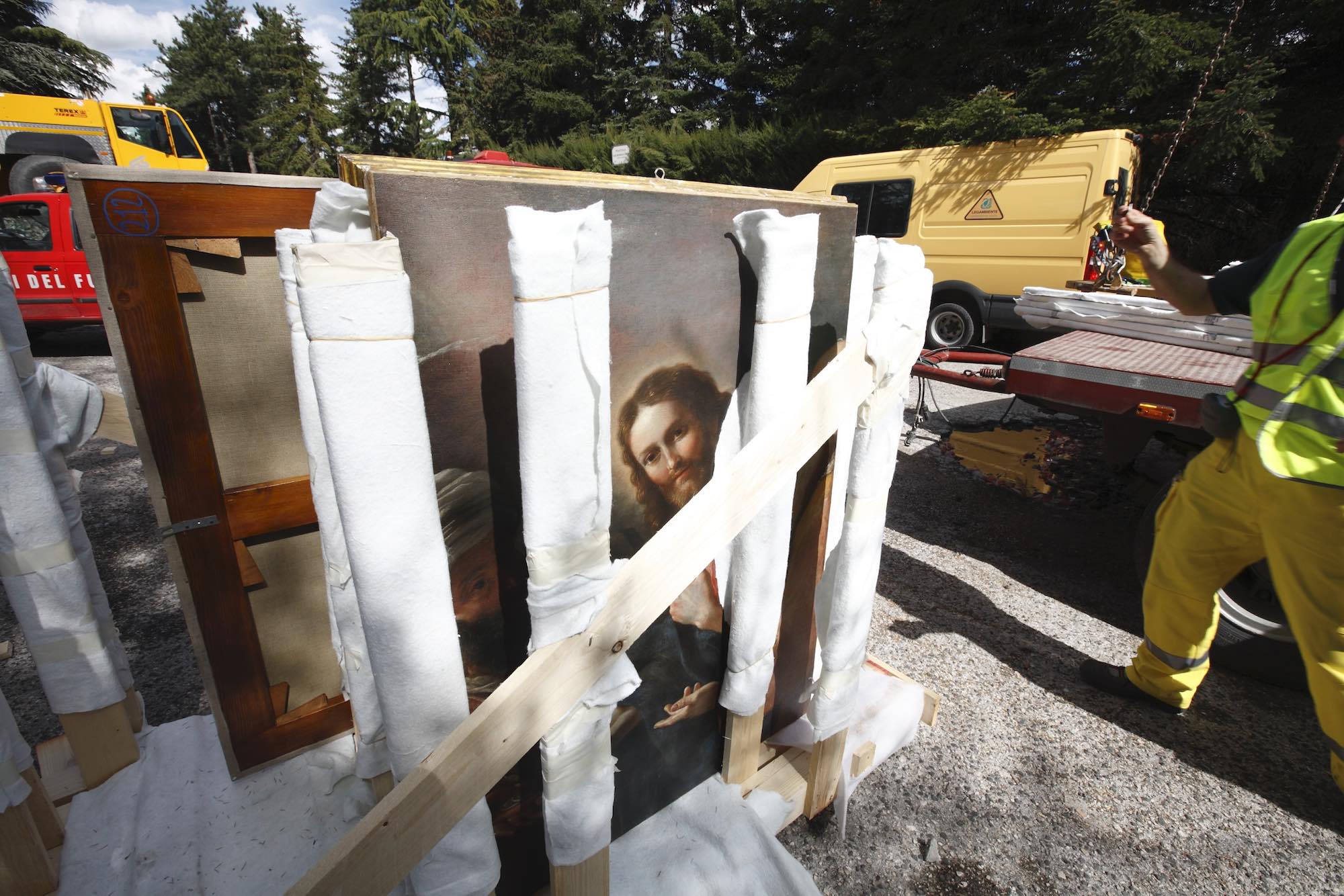
The museum’s artworks had to be completely evacuated (ill. 3 and 4). We had shown how some of these collections had been displayed at the Castello Piccolomini in Celano while others were stored in a building in the same town that had also served as a restoration centre (see article). When the Fort is fully restored, the museum will once again be housed within its walls. In the meantime, you can only see the mammoth skeleton (ill. 5), one of the best preserved in the world and one of the town’s pride and joys.
Museo Nazionale d’Abruzzo
after the earthquake
This is a painting by Carl Borromäus Andreas Ruthart, not currently on display in the museum.
Photo: G. Lattanzi
Museo Nazionale d’Abruzzo
after the earthquake
This is a painting by Mattia Preti, now on display in the museum.
Photo: G. Lattanzi
Since 2015, the museum has reopened on a temporary basis, pending its return to the Fort, in the former abattoirs of L’Aquila, near the fountain known as the 99 Spouts (ill. 6). The fountain, which had suffered slightly in the earthquake, was quickly and fully restored thanks to a subscription campaign.