
Contenu abonnés
Dessins de Bruegel à Rubens dans les collections flamandes
Bruegel to Rubens. Great Flemish Drawings
Oxford, Ashmolean Museum, du 23 mars au 23 juin 2024
Précédemment à Anvers, Museum Plantin-Moretus, du 17 novembre 2023 au 18 février 2024, sous le titre « From scribble to cartoon : Drawings from Bruegel to Rubens in Flemish Collections »
L’occasion de pouvoir admirer un si bel ensemble de dessins flamands est si rare qu’on ne peut que regretter d’avoir manqué l’ouverture à l’automne 2023 de cette passionnante exposition anversoise, qui vient de fermer ses portes avant de connaître aussitôt une seconde vie grâce au fructueux partenariat conclu avec l’Ashmolean Museum d’Oxford. En 2021, le Getty Paper Project décida d’accorder son soutien à l’organisation de l’exposition et à la publication de son remarquable catalogue, où quatre-vingt fort riches notices accompagnent les trois essais signés de Sarah Van Ooteghem, Virginie D’haene et An Van Camp qui précisent le propos thématique retenu pour le parcours, avec la fonction du dessin en guise de fil rouge.
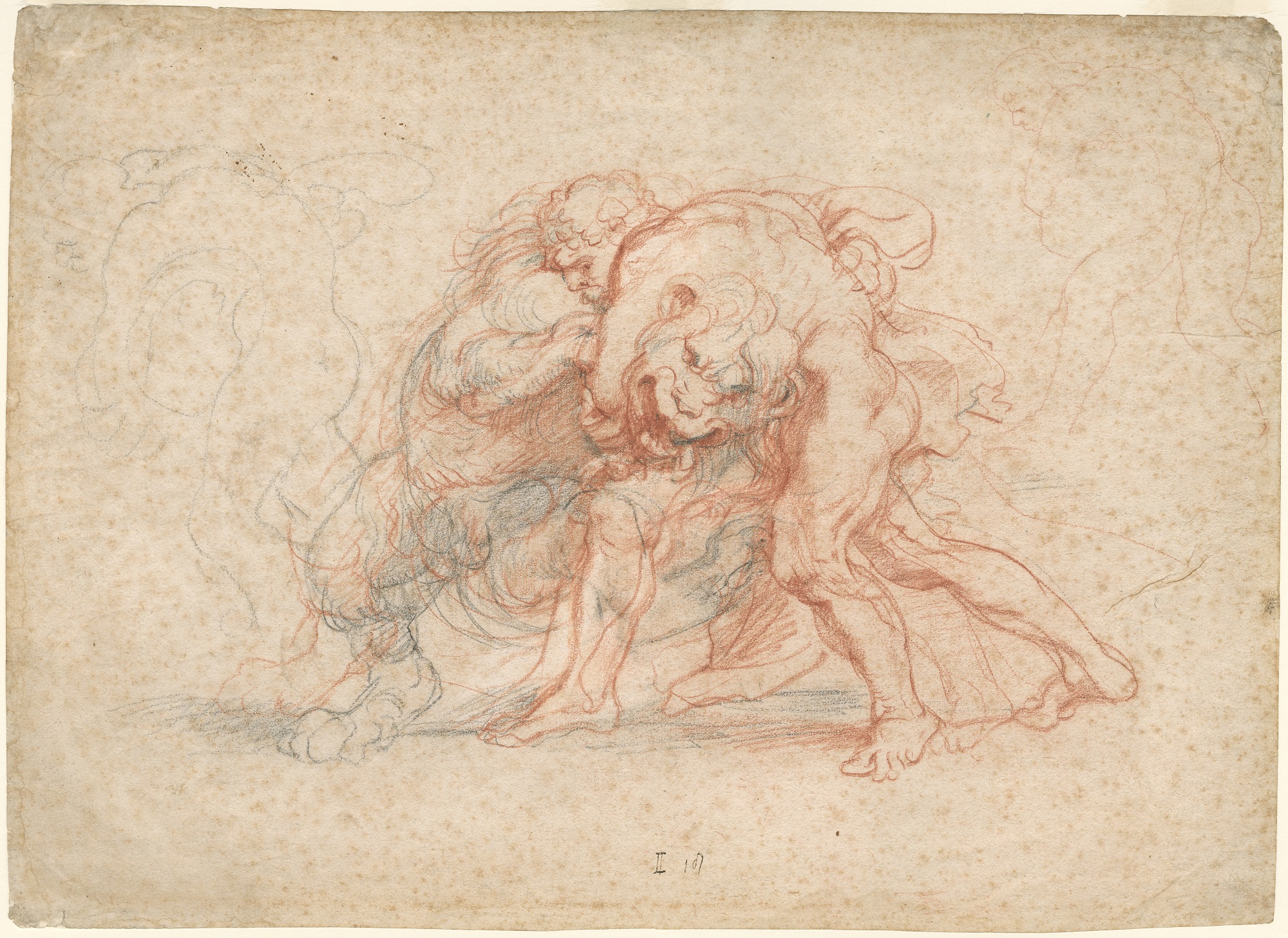
Hercule et le Lion de Némée, vers 1639
Pierre noire et sanguine - 36,3 x 49,8 cm
Anvers, Museum Plantin-Moretus
Photo : Museum Plantin-Moretus
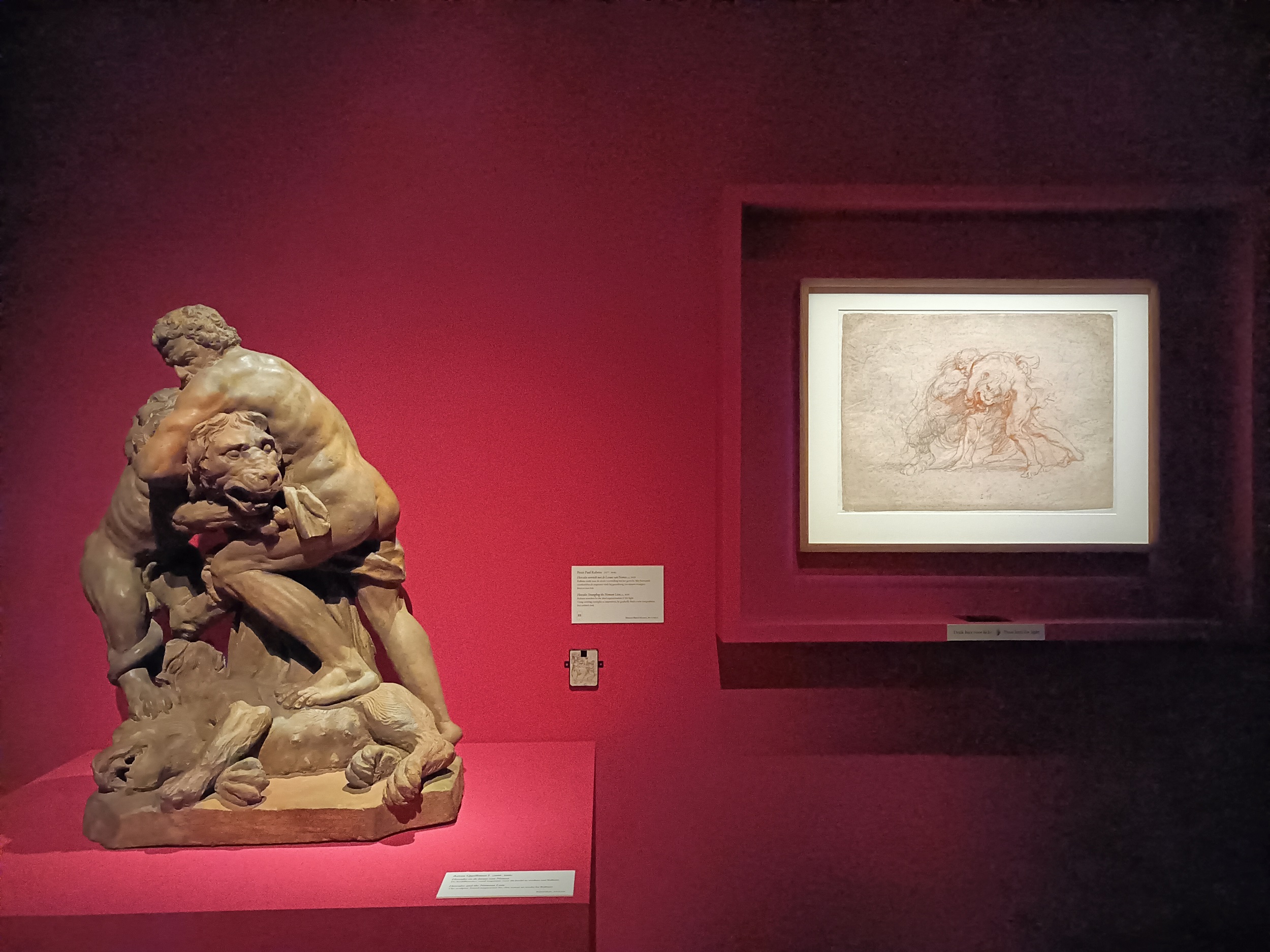
Photo : Alexandre Lafore
Son subtil parti pris pourra sembler ésotérique au premier abord, d’autant que la terminologie dédiée n’est souvent maîtrisée que par les spécialistes qui savent vite distinguer étude, esquisse et carton ; mais la force de celle-ci était, dans l’étape anversoise où nous l’avons vue, de favoriser aussi souvent que possible de pertinents rapprochements avec gravures, sculptures et ouvrages imprimés, en parfaite cohérence avec l’esprit des lieux puisque ce musée atypique reste avant tout une maison dédiée à la diffusion du savoir et des images. Ce n’est pas sans émotion que l’on déambule dans ces espaces qui ne semblent pas avoir changé depuis le XVIe ou le XVIIe siècle, meublés de presses à imprimer et de rayonnages de bibliothèques. L’exposition se glissait avec discrétion dans ces pièces historiques et…