
Subscriber content
A terracotta by Vinache donated to the National Gallery of Art in Washington
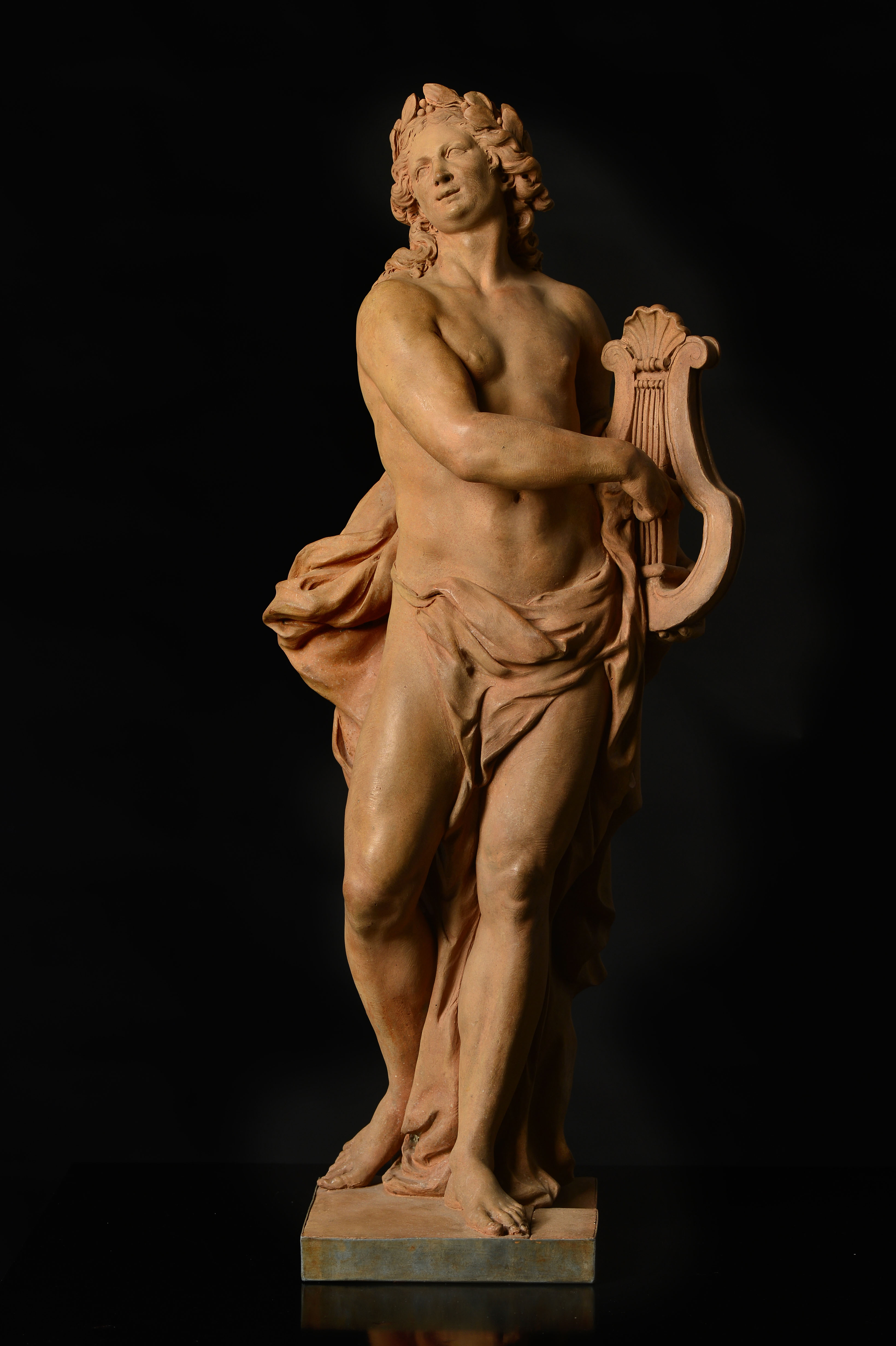
Apollo Playing the Lyre
Terracotta - 66 cm
Washington, National Gallery of Art
Photo: Galerie Lowet de Wotrenge
26/7/23 - Acquisition - Washington, National Gallery of Art - Largely forgotten nowadays, Jean Joseph Vinache was nevertheless one of the fine sculptors of eighteenth-century France, even though he first made his career in Saxony, where his most famous work still stands: the great equestrian statue of Augustus the Strong, known in Dresden as the "Goldener Reiter", for which he made the model. The son of a foundryman of Neapolitan origin, he pursued his career on his return to France, where he was accepted in 1736 and then admitted to the Académie royale de peinture et de sculpture in 1741 with a superb marble, Hercules Chained by Love, still in the Musée du Louvre. A less virile but equally seductive terracotta was recently donated to the National Gallery of Art by one of its patrons, David H. McDonnell, and was kindly brought to our attention by Mr Tyr Baudouin, director of the Lowet Gallery in Wotrenge. McDonnell. The latter had acquired it from the Lowet de Wotrenge gallery in Antwerp, but it was at Sotheby’s in Paris that the work last came under the auction hammer. A regular donor to this American institution, Mr David H. McDonnell had already offered a number of drawings and engravings, as well as several eighteenth-century sculptures, including a terracotta and a marble from the studio of Étienne Maurice Falconet.

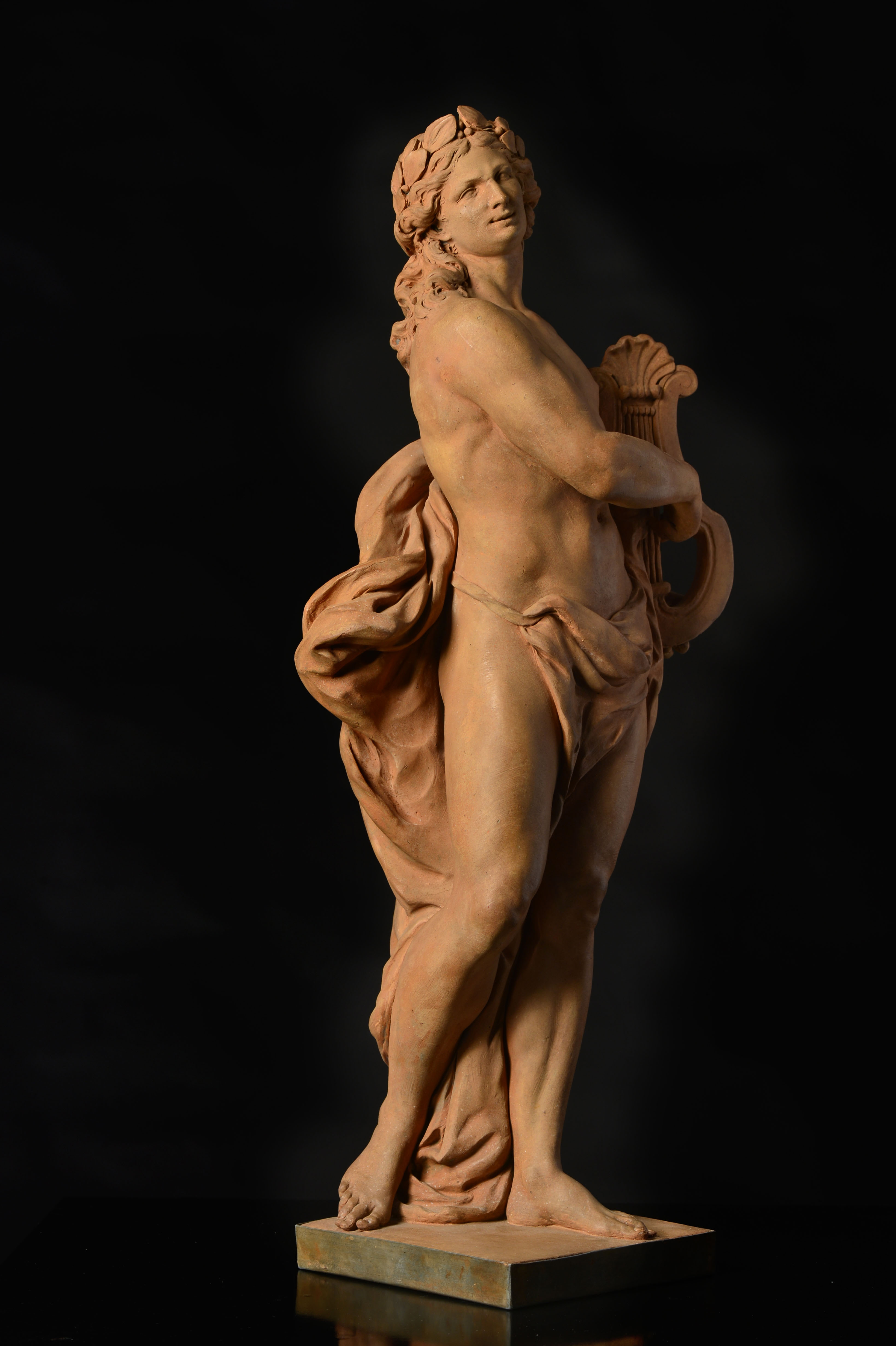
Apollo Playing the Lyre
Terracotta - 66 cm
Washington, National Gallery of Art
Photo: Galerie Lowet de Wotrenge
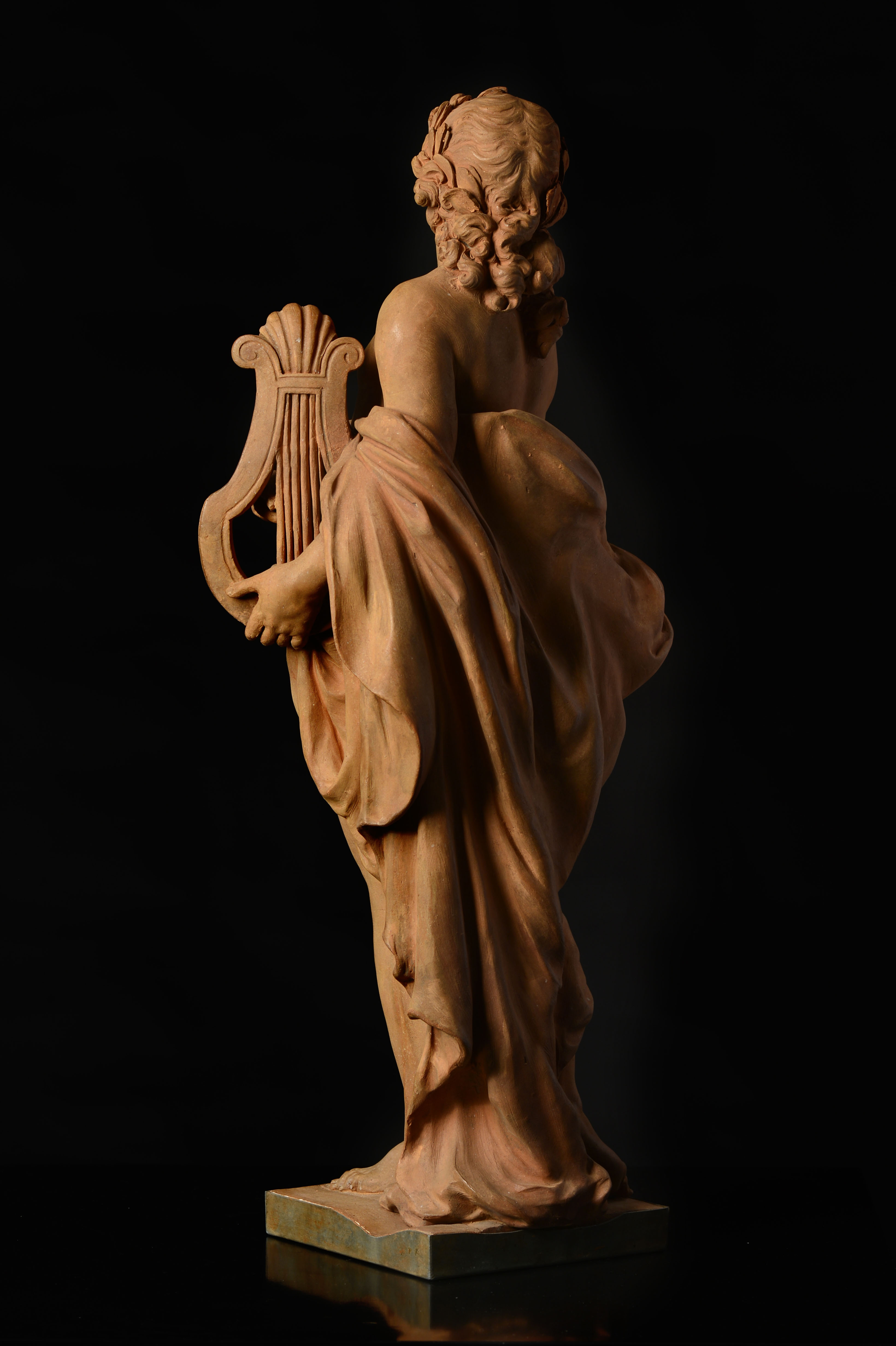
Apollo Playing the Lyre
Terracotta - 66 cm
Washington, National Gallery of Art
Photo: Galerie Lowet de Wotrenge
Endorsed by the National Gallery of Art in…